In a global wellness market saturated with trendy superfoods, Makhana — the dried seed of the Euryale ferox water lily — has quietly become one of the most compelling functional foods of our time. What Chia Seeds were to 2015 and Quinoa to 2018, Makhana is to 2026: a category-defining ingredient with authentic roots, verifiable provenance, and nutritional credentials that stand up to scientific scrutiny.
What Exactly Is Makhana?
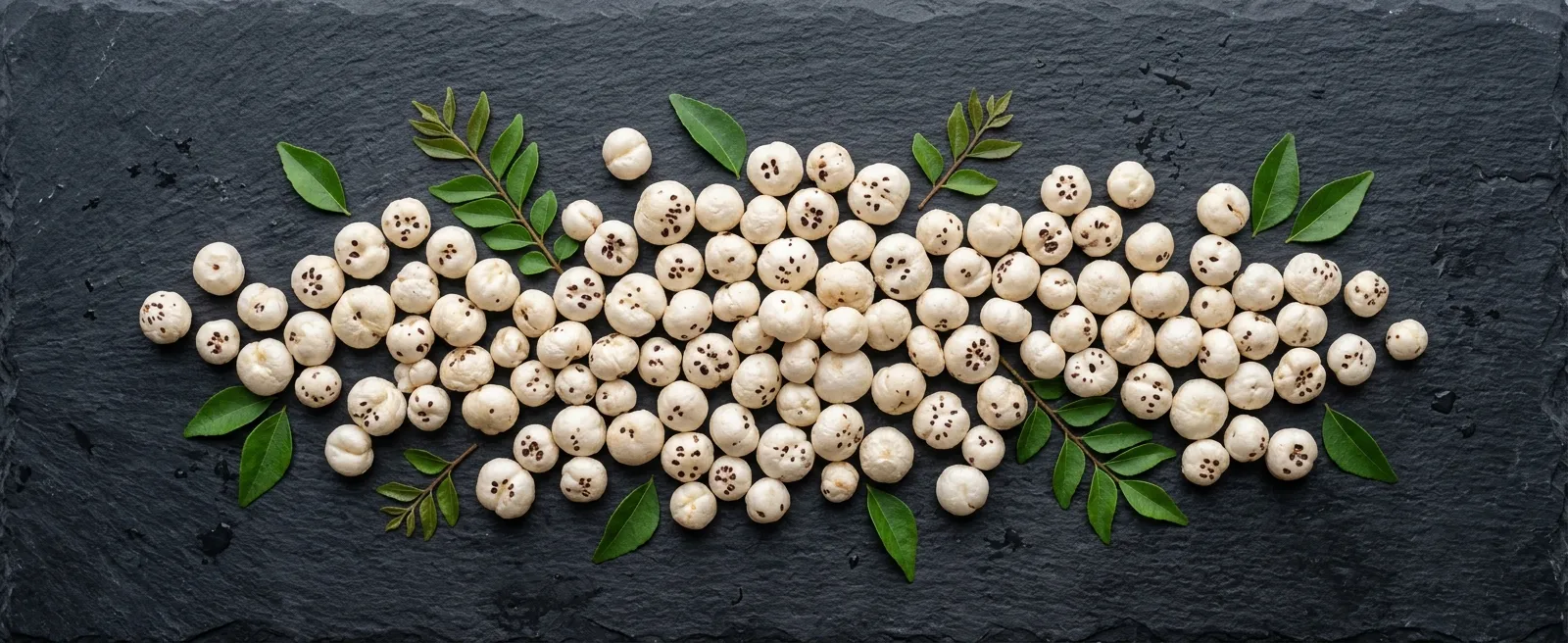
Makhana, also called Fox Nuts or Lotus Seeds, comes from the spiny water lily grown in the shallow wetlands of Bihar's Mithila region. India produces over 90% of the world's Makhana supply, and the Mithila variant holds a coveted Geographical Indication (GI) tag — the same certification framework that protects Champagne, Darjeeling Tea, and Parmigiano-Reggiano.

The Nutritional Case
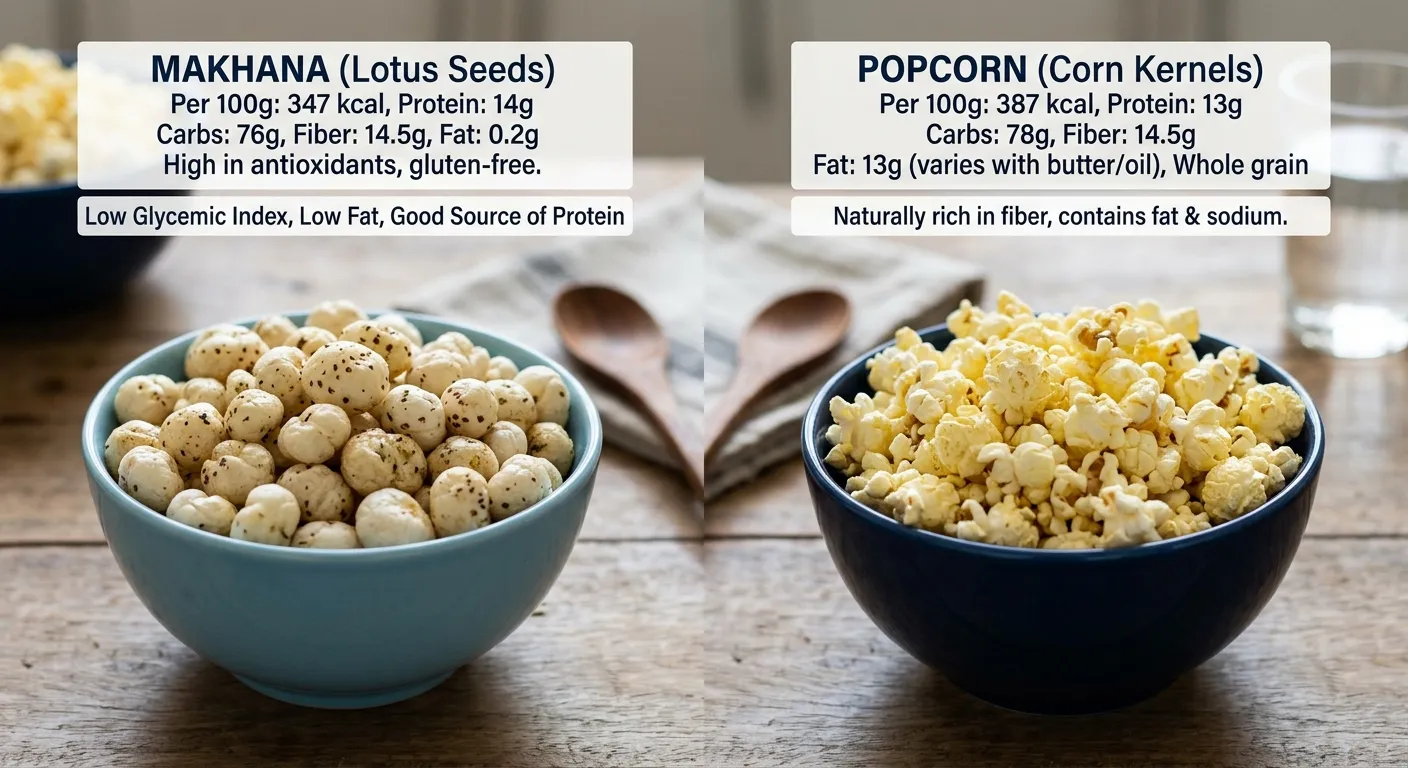
Per 100g serving, Makhana delivers a nutritional profile that very few snack foods can rival. It is low in fat, high in protein, rich in magnesium and potassium, and crucially — it has a glycaemic index of approximately 35, making it suitable for diabetic and ketogenic diet consumers.
Compared to popular rice cakes (GI ~80) or popcorn (GI ~65), Makhana's low glycaemic load makes it a standout choice for the health-conscious consumer — and an increasingly attractive option for food manufacturers formulating clean-label snack lines.
"Makhana ticks every box the modern clean-label consumer is looking for: plant-based, allergen-free, low-GI, and with a heritage story that holds up to scrutiny."
— Nikita Iyer, Content Strategist, Quantyra Labs
Ayurvedic Roots, Modern Science
Makhana has been prescribed in Ayurvedic medicine for centuries — as a kidney tonic, anti-ageing food, and digestive aid. Modern nutritional research has begun to validate several of these traditional claims. Studies have highlighted Makhana's concentration of kaempferol, a natural flavonoid associated with anti-inflammatory properties, and its relatively high content of L-isoaspartyl methyltransferase, an enzyme studied in the context of cellular repair.

Why Global Demand is Accelerating
Key drivers pushing Makhana into international retail in 2026:
- Clean-label movement — single ingredient, no additives, naturally gluten-free and vegan
- Snack format versatility — roasted as a snack, ground as flour, added to granola, or used in confectionery
- India's GI tag assurance — buyers can verify authentic origin, unlike generic "lotus seed" products from other regions
- Rising Asia-Pacific wellness market — already a staple in Chinese and Korean functional food markets
- Western health media uptake — Makhana has seen a 340% search volume increase on Google Trends between 2023 and 2026
Sourcing the Real Thing
Not all Makhana is equal. The GI tag specifically covers Mithila-region produce — a quality signal that matters when you are importing for retail or food manufacturing. At Quantyra Labs, every batch is sourced directly from GI-registered cooperative farms, accompanied by lab test reports (moisture, microbial load, aflatoxin) before dispatch.